Events
What Can Go Wrong at an Analyst Day (And How to Prevent It)

Analyst days are high-visibility, high-stakes events.
For IR teams and the agencies supporting them, success is not measured by creativity or scale. It is measured by something much simpler: did everything run exactly as expected?
Because when something goes wrong, it is not just an operational issue. It reflects directly on the team that recommended the vendors, coordinated the event, and assured leadership that everything was under control.
The reality is that most issues do not come from major failures. They come from small details that were overlooked, miscommunicated, or underestimated.
The Most Common Points of Failure
One of the most common breakdowns happens before the event even begins: awareness and attendance.
If the event is not marketed effectively or attendees are not properly reminded, turnout can suffer. Even with a strong invite list, poor communication leads to low engagement.
Another frequent issue is timing and coordination.
Analyst days run on tight schedules. Presentations, transitions, and Q&A sessions are expected to move smoothly. When timing slips, it creates a ripple effect across the entire agenda.
Clarity of information is another overlooked risk.
Attendees need to know exactly what to expect: who is speaking, when sessions begin, and what the flow of the day looks like. If key details are not clear, it creates friction.
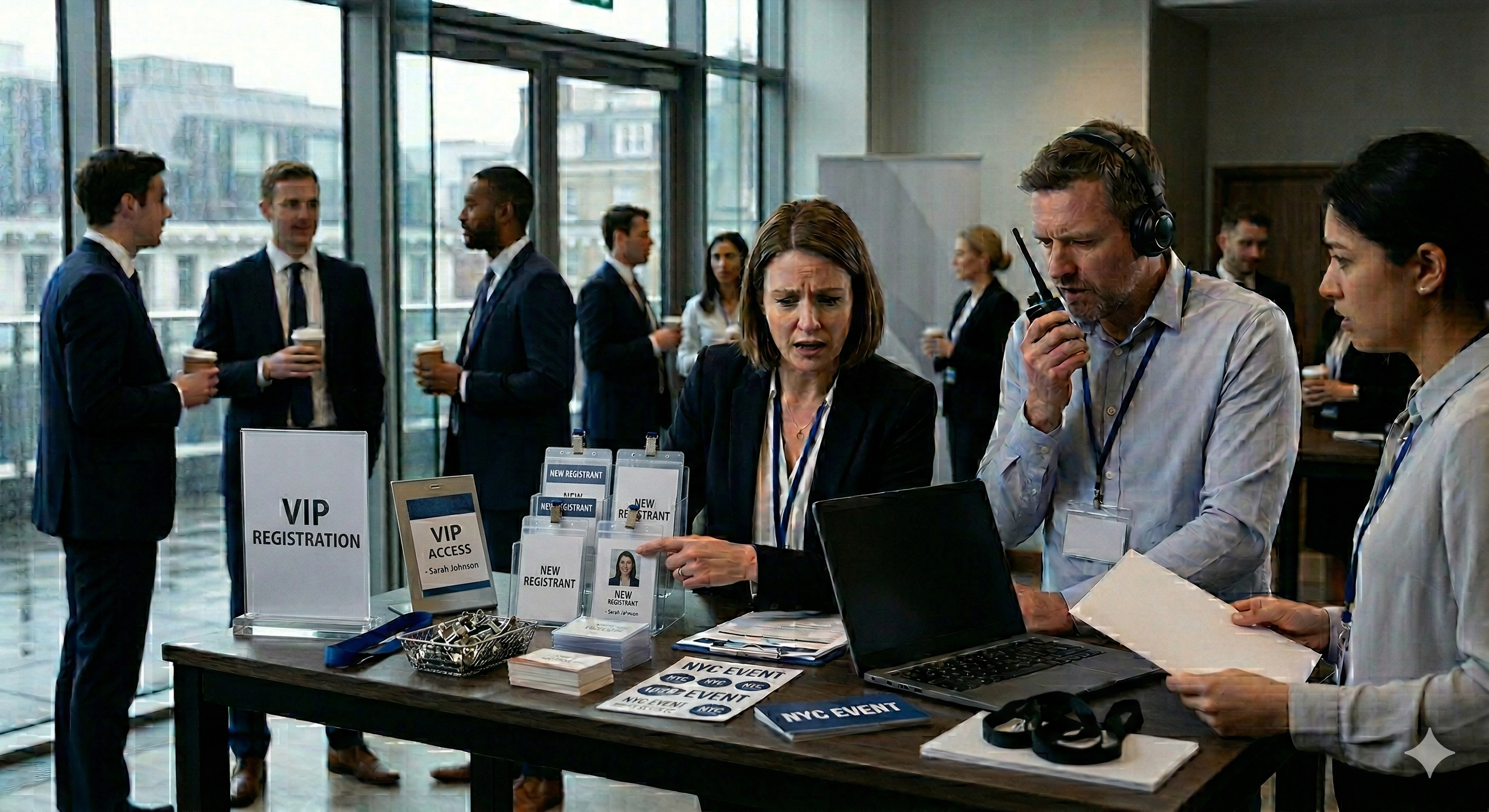
Finally, there is onsite support.
When something unexpected happens, and it always does, the difference between a minor hiccup and a visible issue comes down to how quickly it is handled. Without experienced onsite support, small problems escalate quickly.
Why These Issues Happen
Most of these problems are not caused by lack of effort. They are caused by fragmentation.
Multiple vendors, unclear ownership, and gaps in communication create situations where no one is fully accountable for the overall experience. Each piece may function independently, but the execution does not feel cohesive.
For IR analysts and agency professionals, this creates real risk. Even when the issue originates elsewhere, it is their recommendation that is questioned.
How to Prevent It
The most effective analyst days are built on a simple principle: control the details before they become problems.
That starts well before the event itself. Clear communication, consistent reminders, and thoughtful outreach help ensure strong attendance and set expectations early.
It also requires complete visibility into the event experience. A centralized portal should give attendees everything they need in one place: the agenda, speaker details, timing, and logistics like meals or session formats.
After the event, that same experience should extend to follow-ups, transcripts, and replays, ensuring continued engagement beyond the day itself.
Equally important is having the right support onsite. Experienced event teams anticipate issues, manage timing, and respond quickly.
This is where working with a single, experienced partner can make a meaningful difference. Platforms like TWST Events are built specifically for analyst days, combining event technology with hands-on support. Unlike software-only solutions, TWST provides both the platform and experienced onsite teams, ensuring every detail is covered.
What This Really Comes Down To
For those managing analyst days, the goal is not to impress. It is to deliver an event that feels controlled, polished, and predictable.
Because when everything runs smoothly, no one notices the execution.
But when something goes wrong, everyone does.
The teams that consistently deliver successful analyst days are not doing more. They are doing the fundamentals exceptionally well.
They work with trusted partners, use systems that reduce risk, and ensure nothing is left to chance.
And in an environment where your reputation is tied to every detail, that level of control makes all the difference.